Industrial Relations Support for the Gruyere Gold Mine

The Project
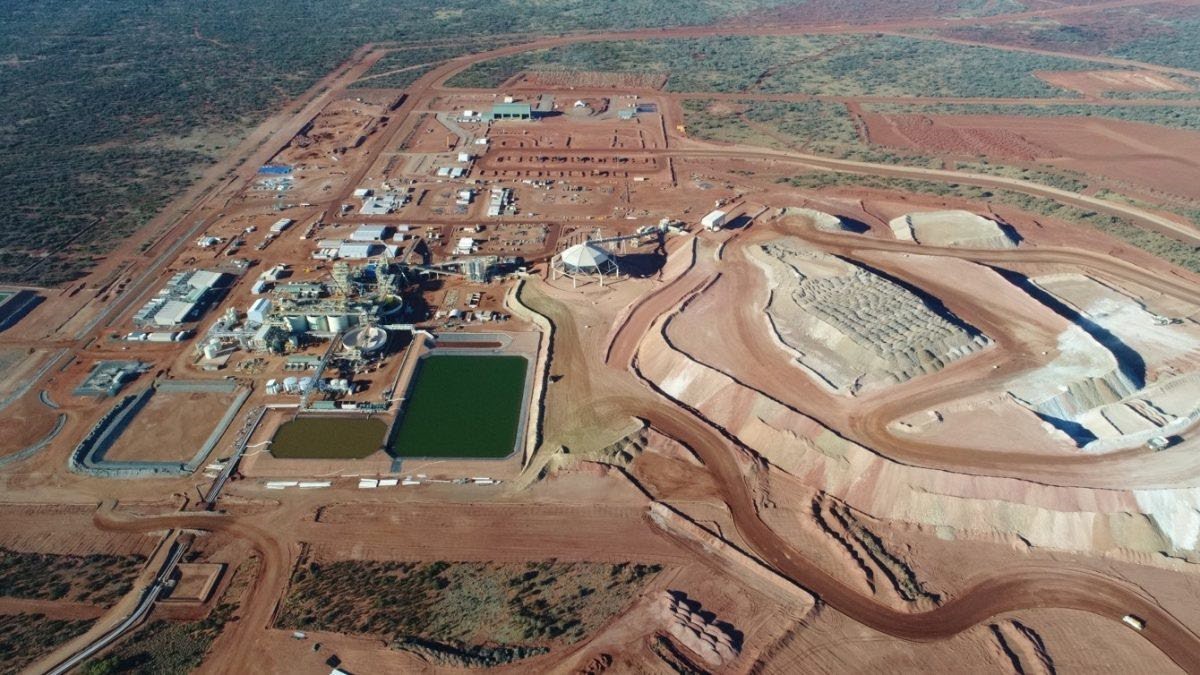
The Gruyere Gold Mine is a major gold mining operation located approximately 200 kilometres east of Laverton in Western Australia’s Goldfields region.
Discovered by Gold Road Resources in 2013, the project progressed through feasibility before Gold Road announced the sale of a 50% interest to Gold Fields in November 2016, establishing the Gruyere Joint Venture. Under the Joint Venture, Gold Fields assumed responsibility for the development and operation of the mine, while Gold Road retained responsibility for exploration across the JV tenements.
With a project cost of approximately $621 million and a peak construction workforce of around 600 people, the development represented a significant and complex undertaking in a remote Western Australian environment.
The scope extended well beyond the mine itself. Major infrastructure included a 648-room accommodation village, borefields, an airstrip and main access road, the Stage 1 pit and tailings storage facility, the 198-kilometre Yamarna Gas Pipeline, a 45 MW powerhouse, and the process plant and associated infrastructure.
Managing the workforce and industrial relations environment across a project of this scale required careful planning from the outset.
During the Feasibility Study phase, Gold Road Resources engaged the Fuse HR team to provide specialist Industrial Relations consulting services and help establish an appropriate framework for identifying and managing project IR risks.
As the project moved from feasibility into construction, our involvement continued with the Gruyere Joint Venture Project Management Team, providing ongoing IR advice and support throughout this critical stage of development.
The Fuse Approach
Our approach began during the Feasibility Study phase, embedding industrial relations considerations into project planning well before the construction workforce mobilised.
Working with Gold Road Resources, we developed the Project Industrial Relations Strategy for inclusion in the Feasibility Study Report. This established the strategic framework for managing industrial relations across the project and provided a foundation for the more detailed planning required as development progressed.
From there, we prepared the project’s Industrial Relations Management Plan and supporting documentation. This work was designed to identify potential industrial relations risks early and provide the project team with practical frameworks for managing them throughout construction.
A key part of this process was understanding the employment environment in which the project would operate.
Our team benchmarked core construction employment conditions, including labour wage rates, roster and recreation cycles, and working hours. This provided the project with relevant market intelligence to inform workforce planning and contractor engagement while helping the team understand where employment conditions could create potential workforce or industrial relations risks.
Industrial relations requirements were also incorporated into the contractor procurement process.
We developed HR and IR specifications for tender documentation and subsequently reviewed contractor tender submissions from an industrial relations perspective. This enabled workforce and IR considerations to form part of contractor evaluation rather than being addressed only after contractors had been appointed or mobilised.
This early involvement was particularly important for a large, remote construction project involving multiple contractors and a peak workforce of approximately 600 people.
Once construction commenced in early 2017, our role evolved from strategy and preparation to ongoing advisory support.
We worked alongside the Gruyere Joint Venture Project Management Team throughout the construction phase, attending regular project meetings and providing practical advice as industrial relations matters emerged.
Rather than treating the Industrial Relations Management Plan as a static document, the project’s IR risk environment was regularly reviewed as construction progressed. Our team provided updates on relevant developments within the broader construction industry and identified emerging issues with the potential to affect the project.
This gave the Project Management Team access to specialist industrial relations expertise throughout delivery and enabled emerging risks to be considered in the context of both the project and the wider Western Australian construction environment.
The approach combined:
- development of the Project Industrial Relations Strategy;
- preparation of the Industrial Relations Management Plan and supporting documentation;
- benchmarking of construction wages, rosters and working conditions;
- development of HR and IR requirements for contractor tenders;
- industrial relations review of contractor tender submissions;
- ongoing participation in project management meetings;
- advice on emerging industrial relations matters and risks; and
- regular monitoring of construction industry developments with the potential to impact the project.
Together, these activities created a structured approach to industrial relations that extended from feasibility and procurement through to construction delivery.
The Outcome
By integrating industrial relations planning into the project from the Feasibility Study phase, the Gruyere Joint Venture had an established framework for identifying, assessing and responding to workforce and industrial relations risks as the project progressed.
The Project Management Team was supported with both strategic planning and practical, ongoing advice during construction, helping ensure industrial relations considerations remained visible as workforce requirements, contractor activity and external industry conditions evolved.
The integration of HR and IR requirements into the tendering process also allowed the project to consider contractor workforce practices before mobilisation, supporting a more proactive approach to managing potential employment and industrial relations risks.
Construction commenced in early 2017, followed by mining activities in November 2018 and first ore in January 2019. First gold was delivered in June 2019.
The completed development established a significant new mining operation with an anticipated 12-year mine life and average annual production of approximately 300,000 ounces of gold.
For Fuse HR, the project demonstrates the value of involving experienced industrial relations specialists early in major project planning.
On complex resources and construction projects, effective industrial relations management starts well before employees and contractors arrive on site. By considering workforce conditions, contractor requirements, industrial risks and broader market conditions during feasibility and procurement, project teams are better positioned to anticipate issues and establish clear frameworks for managing them throughout delivery.
Call to Action
Strengthen Industrial Relations from the Start
Complex projects require more than reactive IR advice. Fuse HR helps organisations identify industrial risks early, establish practical IR strategies and management plans, and navigate workforce and contractor issues throughout the project lifecycle.
From feasibility and contractor procurement through to construction and operations, our experienced Industrial Relations consultants provide practical, commercially grounded support for complex workplace environments.